

Understanding Dyslexia
Idaho Statute, Section 33-1802, as amended in 2022, defines dyslexia as follows:
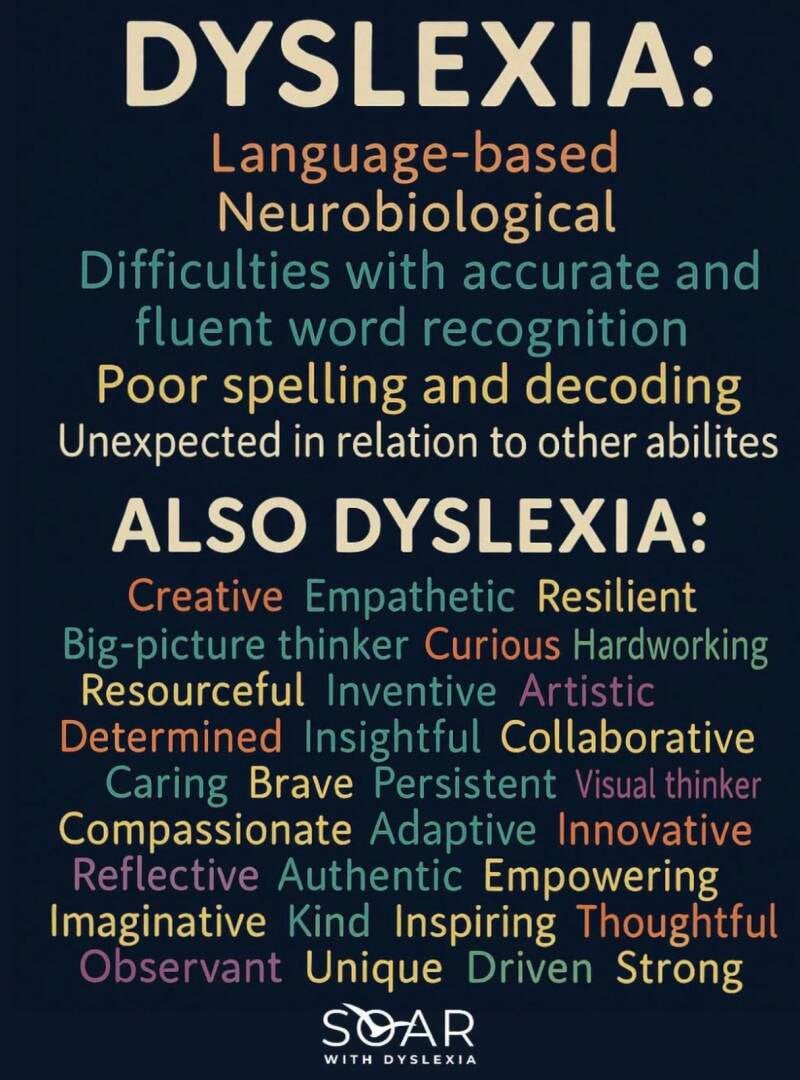
Dyslexia is a specific learning challenge that is neurobiological in origin. It is characterized by difficulties with accurate or fluent recognition of words and by poor spelling and decoding abilities. These difficulties typically result from a deficit in the phonological component of language that is often unexpected in relation to other cognitive abilities and the provision of effective classroom instruction.
The definition of dyslexia adopted by the Board of Directors of the International Dyslexia
Association (IDA) in 2002,6 is slightly different and states that:
“Dyslexia is a specific learning disability that is neurobiological in origin. It is
characterized by difficulties with accurate and/or fluent word recognition and
by poor spelling and decoding abilities. These difficulties typically result from a
deficit in the phonological component of language that is often unexpected in
relation to other cognitive abilities and the provision of effective classroom
instruction. Secondary consequences may include problems in reading
comprehension and reduced reading experience that can impede growth of
vocabulary and background knowledge.”
Dyslexia Resource Links
